How to Fix Nitrogen Deficiency in Crops Naturally
March 28, 2026
Why Nitrogen Matters More Than Any Other Nutrient
Of all the essential nutrients a plant needs, nitrogen has the single greatest impact on growth, yield, and profitability. It is the backbone of chlorophyll — the molecule that drives photosynthesis — and a key component of every amino acid, enzyme, and protein a plant produces. Without adequate nitrogen, a crop simply cannot perform.
Yet nitrogen is also the nutrient most easily lost from the system. It leaches through the soil with irrigation and rainfall, volatilizes into the atmosphere, and gets locked up in soil organic matter where plants cannot access it. The result is that even well-fertilized fields can show nitrogen deficiency symptoms at critical growth stages — costing growers yield, quality, and revenue.
How to Identify Nitrogen Deficiency in Your Crops
Early identification is critical. The sooner you catch nitrogen deficiency, the faster you can correct it before it impacts your bottom line. Here are the key symptoms to watch for:
Yellowing of older leaves (chlorosis)
Nitrogen is a mobile nutrient, meaning the plant will pull it from older, lower leaves and redirect it to new growth when supplies run low. The first sign of deficiency is a pale yellow-green color starting in the oldest leaves at the bottom of the plant, progressing upward as the deficiency worsens. Unlike iron deficiency, which causes yellowing between the veins while the veins stay green, nitrogen deficiency causes a uniform yellowing of the entire leaf.
Stunted, slow growth
Plants lacking nitrogen grow slowly and remain smaller than expected for their growth stage. Stems are thin and weak, internodes are shortened, and overall plant architecture looks compressed and underdeveloped.
Pale green or light-colored canopy
A healthy crop canopy should be a deep, rich green. A nitrogen-deficient field often has a washed-out, pale appearance visible even from a distance — a strong signal to pull tissue and soil samples immediately.
Reduced fruit set and yield
In fruiting crops like strawberries, tomatoes, and melons, nitrogen deficiency during the vegetative stage limits the plant's ability to build the root system, leaf area, and stem strength needed to support a full crop load. The result is fewer flowers, reduced fruit set, and smaller fruit size at harvest.
Common Causes of Nitrogen Deficiency
Understanding why nitrogen deficiency occurs helps you prevent it from happening again. The most common causes include:
- Leaching from heavy irrigation or rainfall — Nitrate nitrogen (NO₃⁻) is highly water-soluble and moves freely through the soil profile with water. Sandy or coarse-textured soils are especially vulnerable.
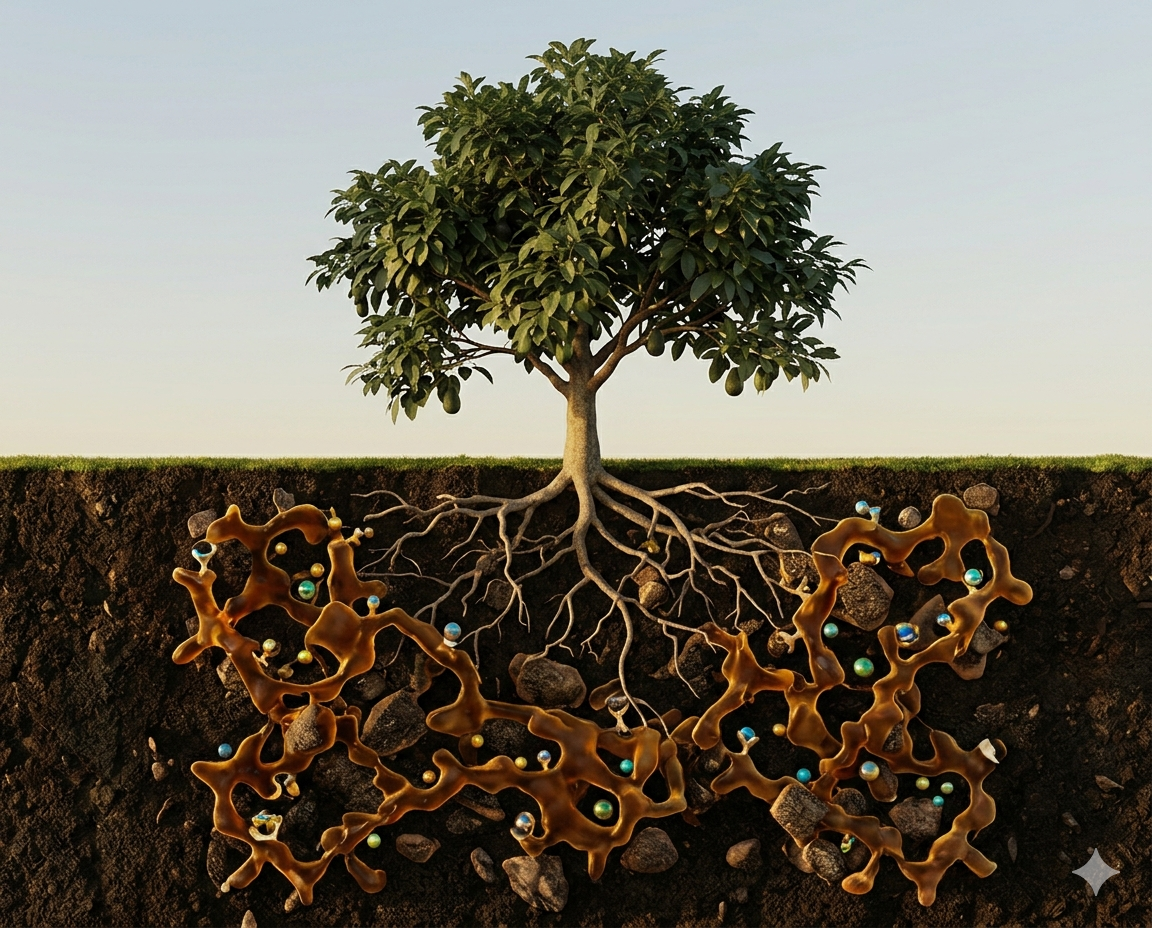
- Depleted soil organic matter — Healthy soil organic matter is the long-term reservoir of plant-available nitrogen. Decades of intensive tillage and chemical inputs deplete soil biology, reducing the natural nitrogen supply.
- Compacted or waterlogged soils — Anaerobic conditions from compaction or poor drainage promote denitrification — a process where soil bacteria convert nitrate into nitrogen gas that escapes into the atmosphere.
- High pH soils — In alkaline soils, ammonium nitrogen can volatilize as ammonia gas, particularly in hot, dry conditions or after surface applications of urea-based fertilizers.
- Rapid crop growth stages — During peak vegetative growth or at fruit set, crops have a dramatically elevated demand for nitrogen that standard fertilizer programs sometimes can't keep up with.
Natural and Organic Solutions for Nitrogen Deficiency
The good news is that nitrogen deficiency is highly correctable, and there are excellent organic and natural options that deliver fast, reliable results without the downsides of synthetic nitrogen sources.
1. Nitrogen-Fixing Bacteria and Beneficial Fungi
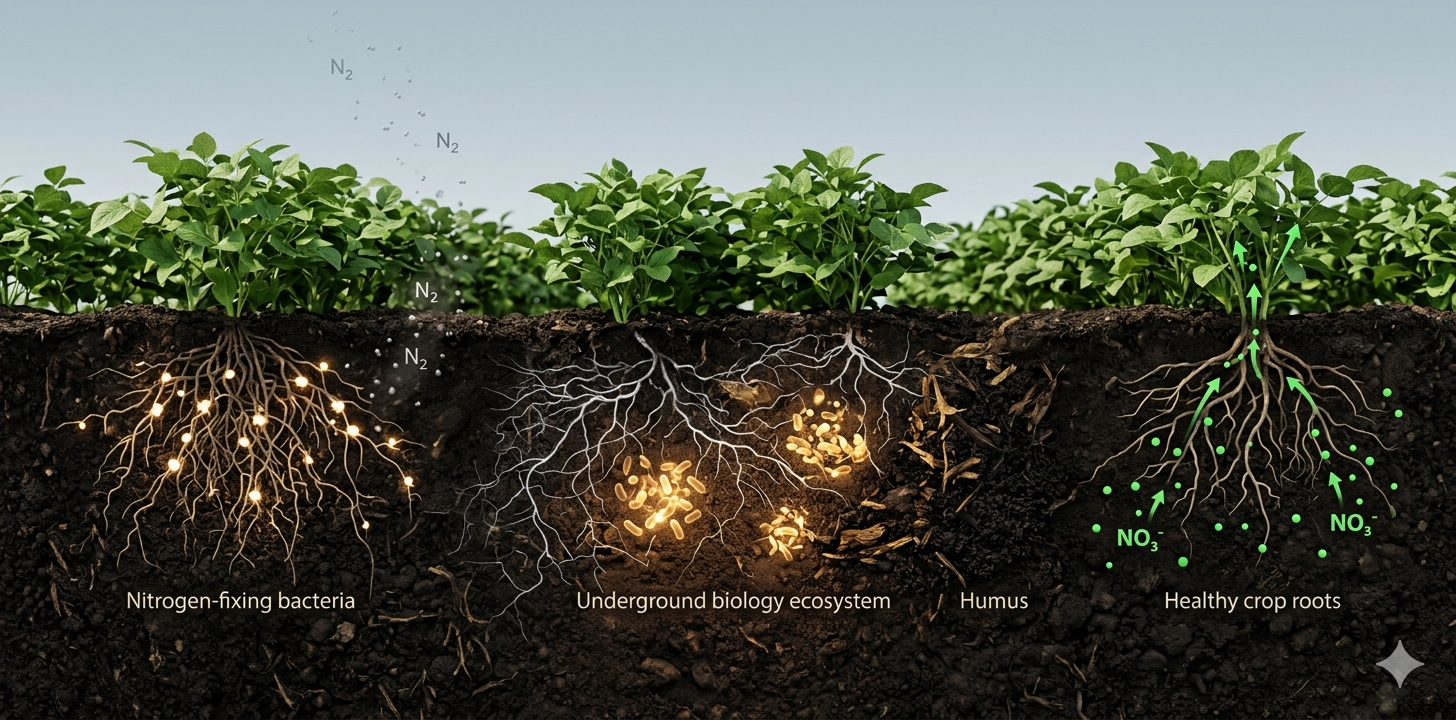
Certain soil microorganisms have a remarkable ability to convert atmospheric nitrogen — which makes up 78% of the air we breathe — into organic nitrogen that plants can absorb. These beneficial microbes work together to fix nitrogen, suppress disease, and improve overall soil health simultaneously.
Zone N-Fix harnesses this biology by combining three proven soil microorganisms in a single dry soluble powder:
- Bacillus subtilis — A nitrogen-producing bacterium with a long track record in agriculture. It colonizes the root zone, fixes atmospheric nitrogen, and actively suppresses pathogenic fungi, bacteria, and viruses that cause root disease.
- Rhizobium leguminosarum — A well-known nitrogen-fixing bacterium that converts atmospheric nitrogen into plant-available organic nitrogen. Zone N-Fix increases the population of N-fixing organisms by 35 times over baseline soil levels, providing a consistent and renewable nitrogen source throughout the growing season.
- Trichoderma reesei — A beneficial soil fungus that plays a critical supporting role in the nitrogen cycle. Trichoderma colonizes the root zone and actively breaks down organic matter, releasing locked-up nitrogen and other nutrients back into plant-available forms. It also competes aggressively with soil-borne pathogens, improving root health and creating a more favorable environment for the nitrogen-fixing bacteria to thrive.
Together, these three organisms create a self-reinforcing soil biology program — fixing new nitrogen from the atmosphere, unlocking existing nitrogen from organic matter, and protecting the root zone from disease pressure all at the same time.
2. Organic Nitrogen Fertilizers Derived from Plant Sources
Water-soluble organic nitrogen fertilizers derived from plant proteins — such as hydrolyzed soy protein — provide a readily available nitrogen source that is gentler on soil biology than synthetic ammonia-based products. These fertilizers deliver nitrogen in a form plants can absorb quickly, making them ideal for correcting active deficiencies during the growing season.
Zone N-Plus offers 13.5% water-soluble nitrogen derived from non-GMO soy protein through enzymatic processing. It is OMRI-certified for organic use, vegan, and produced without chemicals or animal by-products. Because it is water-soluble, it integrates easily into drip irrigation or fertigation programs and is available to plants almost immediately after application.
3. Improving Soil Organic Matter
Building soil organic matter is the best long-term strategy for maintaining adequate nitrogen levels. Organic matter holds nitrogen in stable forms that are released slowly through microbial activity, providing a steady background supply throughout the season. Humic acid amendments, compost, and cover crop programs all contribute to organic matter accumulation over time.
4. Reducing Nitrogen Loss
Fixing a nitrogen deficiency isn't just about adding more nitrogen — it's about keeping what you apply in the root zone long enough for the plant to use it. Strategies include:
- Splitting nitrogen applications across multiple smaller doses rather than one large application
- Using drip or subsurface irrigation to minimize leaching compared to overhead or flood systems
- Incorporating humic acid into your fertility program to improve nitrogen retention in the soil
- Avoiding surface applications of urea in hot, dry, or alkaline conditions where volatilization losses are highest
Crop-Specific Nitrogen Needs for California Growers
Different crops have very different nitrogen requirements and timing sensitivities. Here's a quick reference for some of the most common California crops:
- Strawberries — Moderate nitrogen demand, most critical during runner establishment and early fruit development. Excess nitrogen late in the season can reduce Brix (sugar content) and shelf life.
- Tomatoes — High nitrogen demand during vegetative growth, tapering off at fruit set. Nitrogen deficiency at transplant causes stunting that is difficult to recover from.
- Lettuce and leafy greens — Fast-growing crops with high nitrogen demand throughout the short growing cycle. Consistent supply is essential for uniform heading and quality.
- Avocados — Moderate nitrogen demand, best supplied in split applications. Excess nitrogen promotes vegetative growth at the expense of flowering and fruit set.
- Celery — One of the highest nitrogen-demanding crops. Deficiency causes stalks to be thin, pale, and stringy with reduced marketable yield.
- Melons — Nitrogen is critical early for vine development, but should be reduced after fruit set to avoid excess vegetative growth that competes with fruit sizing.
Building a Sustainable Nitrogen Program
The most resilient approach to nitrogen management combines multiple strategies into a complete program rather than relying on a single product or application. At Farm Rite USA, we recommend a layered approach:
- Build the foundation with soil biology using Zone N-Fix to establish a population of nitrogen-fixing bacteria and beneficial fungi that provide organic nitrogen throughout the season
- Correct active deficiencies quickly with Zone N-Plus, a fast-acting organic nitrogen source that integrates into your existing fertigation program
- Support nitrogen retention by including Zone Humic Acid or Zone Soil Supplement in your program to improve the soil's ability to hold and deliver nitrogen to plant roots
- Monitor regularly with tissue and soil testing to catch deficiencies early and adjust your program before they impact yield
The Bottom Line
Nitrogen deficiency is preventable, identifiable, and correctable — but timing matters. The earlier you catch it and respond, the less impact it has on your crop. Natural and organic nitrogen solutions have advanced significantly in recent years, offering California growers reliable, OMRI-certified options that perform alongside or better than conventional synthetic programs.
Want to build a nitrogen program tailored to your specific crops and soil conditions? Contact the Farm Rite USA team — with 40-plus years of hands-on field experience, we can help you find the right solution for your operation.
Read Next: Organic Acids in Agriculture: Comparing Lactic, Citric, and Gluconic Acid to Humic Acid
Sharing is caring
If you found value in this blog post, please take a moment to share it on social media. Your support helps us continue to create valuable content.


.jpeg)