What Is Humic Acid and Why Do Your Crops Need It?
March 13, 2026
What Is Humic Acid?
Humic acid is a naturally occurring organic compound formed over thousands of years from the decomposition of plant and animal matter. It is one of the primary components of humus — the dark, rich layer of organic material found in healthy soils. The most concentrated natural source of humic acid is Leonardite Shale, a soft waxy rock found near the earth's surface that contains exceptionally high levels of humic substances.
In modern agriculture, humic acid is extracted from Leonardite and applied as a soil amendment to restore and enhance soil biology. It works at the molecular level to improve how nutrients are held, exchanged, and delivered to plant roots.
How Does Humic Acid Work in the Soil?
To understand why humic acid matters, you need to understand how soil chemistry works. Healthy soil is not just dirt — it is a living ecosystem of minerals, water, air, organic matter, and billions of microorganisms. When that ecosystem is disrupted by modern farming practices, chemical inputs, or years of intensive cultivation, the soil loses its ability to hold and deliver nutrients efficiently.
Humic acid restores soil function in several key ways:
1. Improves Cation Exchange Capacity (CEC)
Cation Exchange Capacity is the soil's ability to hold positively charged nutrients — including calcium, magnesium, potassium, and ammonium — and make them available to plant roots. Humic acid significantly increases CEC, acting as a nutrient reservoir that prevents leaching and keeps nutrients in the root zone where plants need them most.
2. Chelates Micronutrients
Humic acid naturally chelates — or binds — micronutrients like iron, zinc, manganese, and copper. In chelated form, these nutrients are protected from becoming chemically locked in the soil and remain available for plant uptake. This is particularly valuable in high-pH or alkaline soils, where micronutrients commonly become unavailable to crops.
3. Stimulates Microbial Activity
Beneficial soil bacteria and fungi are essential for breaking down organic matter and cycling nutrients through the soil. Humic acid provides food and habitat for these microorganisms, helping to restore the biological activity that intensive farming often depletes. More microbial activity means better nutrient cycling and healthier crops.
4. Improves Soil Structure
Humic acid helps aggregate soil particles, improving both water infiltration and water retention. In sandy soils, it helps retain moisture longer. In clay soils, it opens up compaction and improves drainage. The result is a more balanced, workable soil environment for root development.
The Problem with High-Salt and High-Alkaline Soils
Many California farmers face the challenge of high-salt or high-pH soils — a particularly common problem in the San Joaquin Valley and coastal growing regions where irrigation water carries dissolved salts that accumulate over time.
Salt buildup in soil creates osmotic stress for plants, making it harder for roots to absorb water even when moisture is present. High pH locks up micronutrients, leaving crops deficient even when fertilizers are applied.
Humic acid addresses both problems directly. Its molecular structure allows it to bind and neutralize excess salts, reducing their toxic effect on plant roots. It also buffers soil pH, creating a more favorable environment for nutrient uptake and microbial life.
Humic Acid, Fulvic Acid, and Ulmic Acid: What's the Difference?
Humic acid is actually part of a family of related compounds found in organic matter, each with a different molecular size and function:
Humic acid has a large molecular structure and works primarily in the soil. It improves soil structure, increases CEC, and binds nutrients for slow, steady release to plant roots.
Fulvic acid has a smaller molecular structure and is more water-soluble than humic acid. It can penetrate plant cell walls directly, making it effective both in the soil and inside the plant for enhancing nutrient transport and metabolism.
Ulmic acid is the highest molecular weight humic substance — larger even than humic acid. It is the most stable of the three, playing an important role in long-term soil structure, nutrient retention, and the formation of stable humus complexes that persist in the soil over time.
Premium humic acid products combine all three — humic, fulvic, and ulmic acids — to deliver benefits across the full spectrum of soil and plant health.
What Crops Benefit from Humic Acid?
Virtually all crops respond positively to humic acid applications, but the most dramatic results are typically seen in:
- Strawberries — improved fruit sizing, root development, and resistance to soil-borne pathogens
- Tomatoes — better nutrient uptake, stronger cell walls, and reduced blossom end rot from improved calcium availability
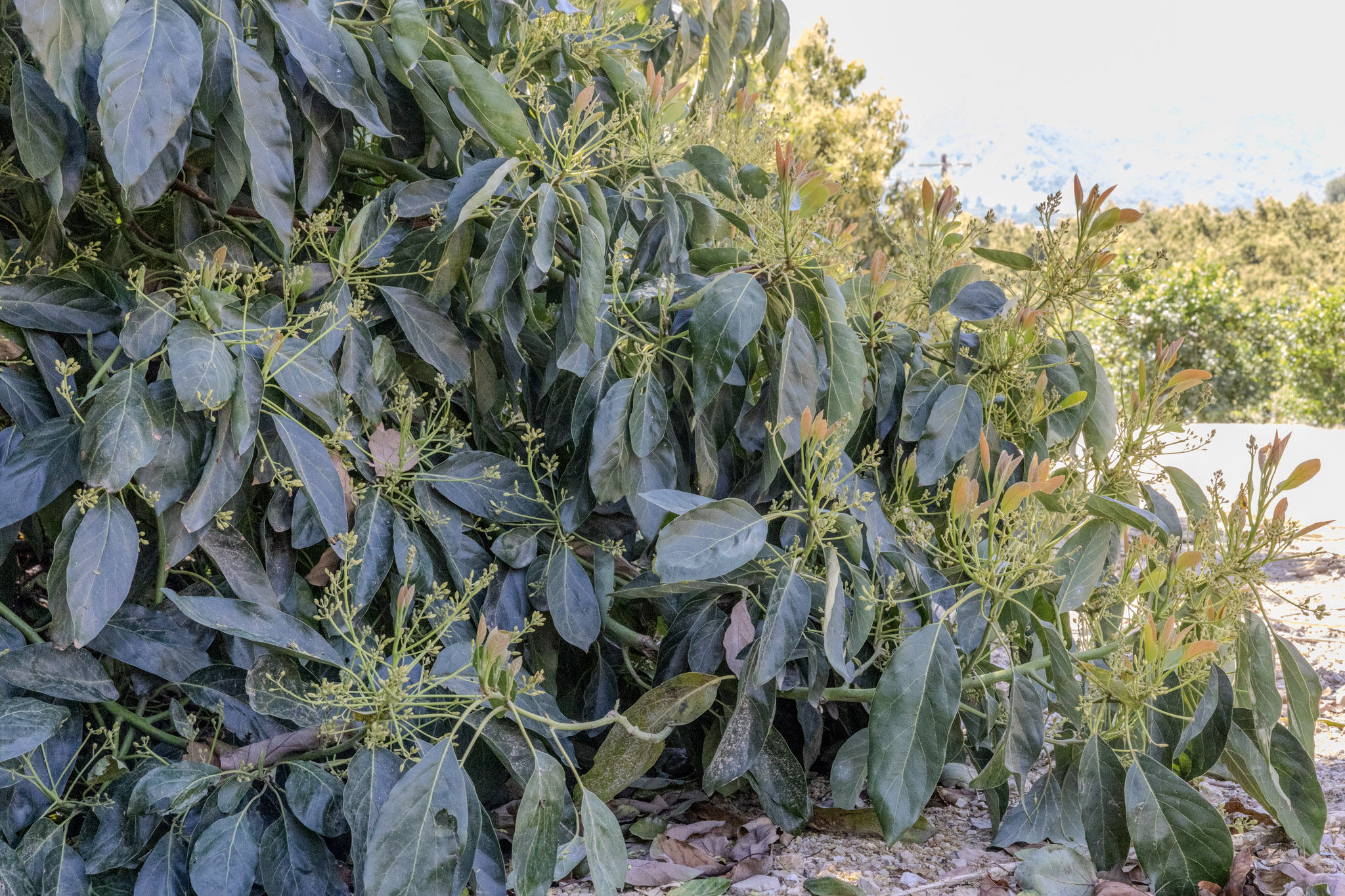
- Avocados — enhanced root health in heavy clay soils, improved iron and zinc uptake, and better tolerance of high-salt irrigation water
- Lettuce and leafy greens — faster establishment, more uniform growth, and improved nitrogen efficiency
- Celery and broccoli — improved calcium uptake and reduced tipburn
- Melons — enhanced sugar development and fruit quality
How to Apply Humic Acid
Humic acid can be applied in several ways depending on your operation and equipment:
Soil drench / irrigation injection: The most common and effective method. Mix humic acid concentrate with water and apply through drip irrigation, sprinkler systems, or flood irrigation to deliver it directly to the root zone.
In-furrow at planting: Apply humic acid directly in the row at planting time to give seedlings and transplants an immediate boost of soil biology and nutrient availability.
Pre-plant incorporation: Before planting, incorporate humic acid into the top few inches of soil to build organic matter levels and improve soil structure ahead of the season.
Zone Humic Acid: OMRI-Certified for Organic and Conventional Farming
Zone Humic Acid from Farm Rite USA is derived from high-quality Leonardite Shale and contains both humic and ulmic acids for maximum soil impact. It is OMRI-certified for use in organic farming operations and is equally effective in conventional programs.
Zone Humic Acid is formulated to:
- Increase humus levels and nutrient holding capacity in depleted soils
- Control salts in high-alkaline and salt-affected soils
- Encapsulate and neutralize heavy metals and toxic nutrient levels
- Offset the negative effects of high-pH irrigation water
- Stimulate beneficial microbial activity for improved nutrient cycling
It works synergistically with other Zone products — including Zone Soil Supplement and Zone N-Fix — to build a comprehensive soil health program from the ground up.
The Bottom Line
Humic acid is not a fertilizer — it's a soil conditioner that makes everything else you apply work better. By improving CEC, stimulating biology, chelating micronutrients, and buffering salt and pH problems, it creates the foundation for consistently high-producing, resilient crops.
For California farmers dealing with intensive production schedules, challenging soil conditions, and the ongoing shift toward sustainable and organic practices, humic acid is one of the highest-return investments you can make in your soil.
Want to learn more about how Zone Humic Acid fits into your crop program? Contact the Farm Rite USA team — we're here to help you find the right solution for your operation.
Sharing is caring
If you found value in this blog post, please take a moment to share it on social media. Your support helps us continue to create valuable content.